

Uterine Fibroids
A Detailed Guide to Symptoms and Surgical Solutions
Uterine fibroids, or leiomyomas, are the most common non-cancerous growths found in the female reproductive system. It is estimated that up to 70–80% of women will develop fibroids by the time they reach age 50. While many women are unaware they have them, for others, fibroids are the source of significant physical pain, heavy menstrual bleeding, and emotional distress.
As a gynaecological surgeon, I often meet women who have been told that their symptoms are "just something they have to live with" or that a hysterectomy is their only option. I am here to provide a different perspective. With modern diagnostic tools and advanced surgical techniques, we can tailor a treatment plan that addresses your symptoms while respecting your desire for uterine preservation or fertility.
What are Uterine Fibroids?
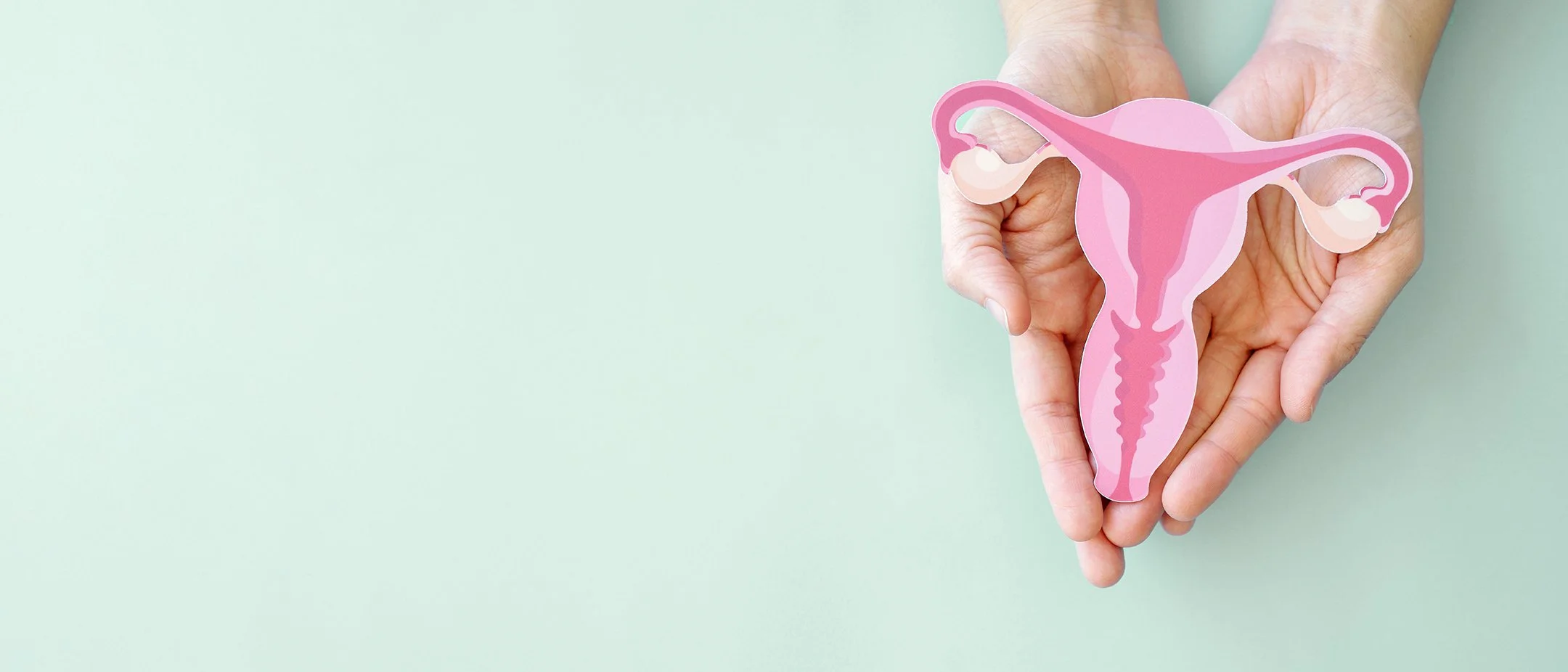
Fibroids are firm, compact tumours made of smooth muscle cells and fibrous connective tissue that develop in the wall of the uterus. They are not cancerous, and having them does not increase your risk of developing uterine cancer. They can be as small as a seed or grow into large masses that distort the shape of the uterus, sometimes reaching the size of a grapefruit or even a full-term pregnancy.
Fibroids are categorized by their location within the uterus:
Intramural: Located within the muscular wall of the uterus. These are the most common and can cause the uterus to enlarge.
Submucosal: These grow just under the uterine lining and protrude into the uterine cavity. Even small submucosal fibroids can cause severe, heavy bleeding.
Subserosal: These grow on the outer surface of the uterus. They are often responsible for "bulk symptoms" like pressure on the bladder or rectum.
Recognising the Symptoms
The impact of a fibroid depends less on its existence and more on its size and location. Common symptoms include:
Heavy Menstrual Bleeding (Menorrhagia): Periods that last longer than seven days or involve passing large clots. This often leads to iron deficiency and chronic fatigue.
Pelvic Pressure and Pain: A persistent feeling of fullness or "heaviness" in the lower abdomen.
Urinary Frequency: Large fibroids can press against the bladder, causing you to wake up multiple times a night or feel a constant urge to urinate.
Pain During Intercourse: Depending on their position, fibroids can make intimacy uncomfortable or painful.
Reproductive Challenges: While many women with fibroids conceive easily, certain fibroids (particularly submucosal ones) can interfere with embryo implantation or increase the risk of pregnancy complications.
The Diagnostic Pathway
If you suspect you have fibroids, we begin with a thorough clinical consultation.
Pelvic Examination: I can often feel the irregular shape of an enlarged uterus during a physical exam.
Transvaginal Ultrasound: This is the primary tool for mapping the size, number, and location of your fibroids.
HyCoSy: By placing a small amount of saline into the uterus during an ultrasound, we get a much clearer view of submucosal fibroids.
MRI: For complex cases or when planning advanced surgery, an MRI provides a highly detailed "roadmap" of the pelvic structures.
Surgical and Medical Management
Treatment is not one-size-fits-all. It is a decision we make together based on your age, the severity of your symptoms, and your future plans.
Medical Management: While medications cannot make fibroids disappear, they can manage symptoms. Options include the Mirena IUD to reduce bleeding or GnRH agonists to temporarily shrink fibroids before surgery.
Hysteroscopic Resection: A minimally invasive procedure for submucosal fibroids.
Uterine Artery Embolization (UAE): A minimally invasive procedure that cuts off the blood supply to the fibroids, causing them to shrink over time.
Total Laparoscopic Hysterectomy (TLH): For women who have completed their families and want a definitive, permanent solution to their symptoms, a keyhole hysterectomy offers a high success rate and a rapid return to daily life.
Uterine Fibroids FAQs
Q: Can fibroids turn into cancer?
A: Uterine fibroids are almost always benign (non-cancerous). A cancerous fibroid (leiomyosarcoma) is extremely rare, occurring in fewer than 1 in 1,000 cases.
Q: Do fibroids go away after menopause?
A: Because fibroids are oestrogen-dependent, they typically stop growing and may even shrink significantly once a woman enters menopause and oestrogen levels drop.
Q: Can I get pregnant if I have fibroids?
A: Yes, many women with fibroids have healthy pregnancies. However, depending on their size and location (especially submucosal fibroids), they can occasionally increase the risk of miscarriage or complications.
Individualised Surgical Care
I understand that a diagnosis of fibroids can feel overwhelming, particularly if you are concerned about your fertility or fear major surgery. As a highly qualified gynaecological surgeon, I am dedicated to providing a safe, supportive environment where we explore all medical and surgical options. My approach is entirely individualized; I listen to your concerns and provide the expert attention needed to reclaim your health. Whether we are monitoring a small fibroid or performing an advanced laparoscopic surgery, I am committed to providing the highest standard of evidence-based care tailored specifically to you.