

Laparoscopic Excision of Endometriosis
Advanced Surgical Solutions
For many women, the journey to a diagnosis of Endometriosis is one marked by years of frustration, dismissed symptoms, and escalating pain. By the time you are considering surgical intervention, you have likely reached a point where medical management—such as the contraceptive pill or hormonal IUDs—is no longer providing adequate relief. As a specialist gynaecological surgeon, I believe that the surgical approach we choose at this juncture is the most critical factor in your long-term recovery. My practice is dedicated to the Laparoscopic Excision of endometriosis, a "gold-standard" technique that prioritizes the complete removal of the disease to restore your quality of life.
Excision vs. Ablation: Why the Surgical Technique Matters
In the world of gynaecological surgery, there is a profound difference between "ablation" and "excision." It is essential for patients to understand this distinction before consenting to surgery.
Ablation (Fulguration): This involves using heat (diathermy) or a laser to "burn" the surface of the endometriosis lesions. While this can destroy superficial spots, endometriosis is often like an iceberg—what you see on the surface is only a small part of the disease. Ablation frequently leaves the deeper "root" of the lesion behind, leading to a high rate of pain recurrence.
Excision (Cutting Out): This is a more meticulous and technically demanding approach. Using specialized laparoscopic instruments, I "cut out" the entire lesion, including the surrounding healthy margin and the deep-seated root. This ensures the disease is removed completely. Research consistently shows that excision is superior for long-term symptom relief and carries a significantly lower risk of the disease returning.
[Image: Illustration showing how excision removes the "root" of endometriosis while ablation only treats the surface]
Identifying Deep Infiltrating Endometriosis (DIE)
Endometriosis is a complex disease that can present in several forms. While superficial disease can be painful, the most challenging cases involve Deep Infiltrating Endometriosis (DIE). This occurs when the endometriosis grows more than 5mm deep into pelvic structures such as the uterosacral ligaments, the bladder, the ureters (the tubes from the kidneys), or the bowel.
As an advanced laparoscopic surgeon, I am trained to operate in these "high-stakes" areas. Managing DIE requires a deep understanding of pelvic anatomy and the ability to safely dissect diseased tissue away from vital organs. My goal is to clear the pelvis of all visible disease in a single, comprehensive operation, reducing the need for repeat surgeries in the future.
What to Expect During the Procedure
A laparoscopic excision is performed under general anaesthetic using "keyhole" techniques.
Pelvic Mapping: I begin by performing a systematic inspection of the entire pelvis and abdomen to identify every lesion, adhesion (scar tissue), and cyst (endometrioma).
Meticulous Dissection: I carefully separate organs that have become "stuck" together and excise the endometriosis from the underlying structures.
Pathology Confirmation: Every piece of tissue I remove is sent to a pathologist. This provides you with a definitive, biopsy-proven diagnosis, which is the only way to be 100% certain of the condition.
Restoring Anatomy: Once the disease is removed, I ensure the ovaries and fallopian tubes are in their correct positions to optimize your future fertility.
Recovery and the Path to Wellness
The recovery from an excision surgery is different for every woman, depending on the extent of the disease removed.
Hospital Stay: Most patients stay overnight. For very complex cases involving the bowel, a two-night stay may be required.
Initial Recovery: You will feel tired and may experience some abdominal soreness and referred shoulder pain from the surgical gas. I encourage gentle walking within the first 24 hours to help your body heal.
Returning to Work: Most women require 2 to 4 weeks to fully recover. It is important to give your body the time it needs to resolve the internal inflammation.
Long-Term Outcomes: While surgery is a major step, it is part of a broader management plan. Many women find that once the "inflammatory load" of endometriosis is removed, their response to other therapies—like pelvic floor physiotherapy or nutrition—improves significantly.
Frequently Asked Questions about Laparoscopic Excision of Endometriosis
Q: Is excision surgery a permanent cure for endometriosis?
A: While there is currently no absolute "cure" for endometriosis, excision is the most effective surgical treatment available. It offers the lowest rates of recurrence and the most significant long-term reduction in pain compared to other surgical methods.
Q: Why do some doctors only offer ablation?
A: Excision is a technically demanding skill that requires advanced training in laparoscopic surgery and pelvic anatomy. Not all gynaecologists have the specialized training required to safely excise deep lesions near the bowel, bladder, or ureters.
Q: Can endometriosis return after excision?
A: While the lesions that are removed do not "grow back," it is possible for new lesions to develop elsewhere in the pelvis over time. However, the risk of recurrence is significantly lower with excision (cutting) than with ablation (burning).
Q: Will I need to take hormones after my surgery?
A: This depends on your individual goals. For some, surgery alone is enough. For others, particularly those not trying to conceive immediately, we may use hormonal suppression to help keep the disease at bay and manage any remaining symptoms.
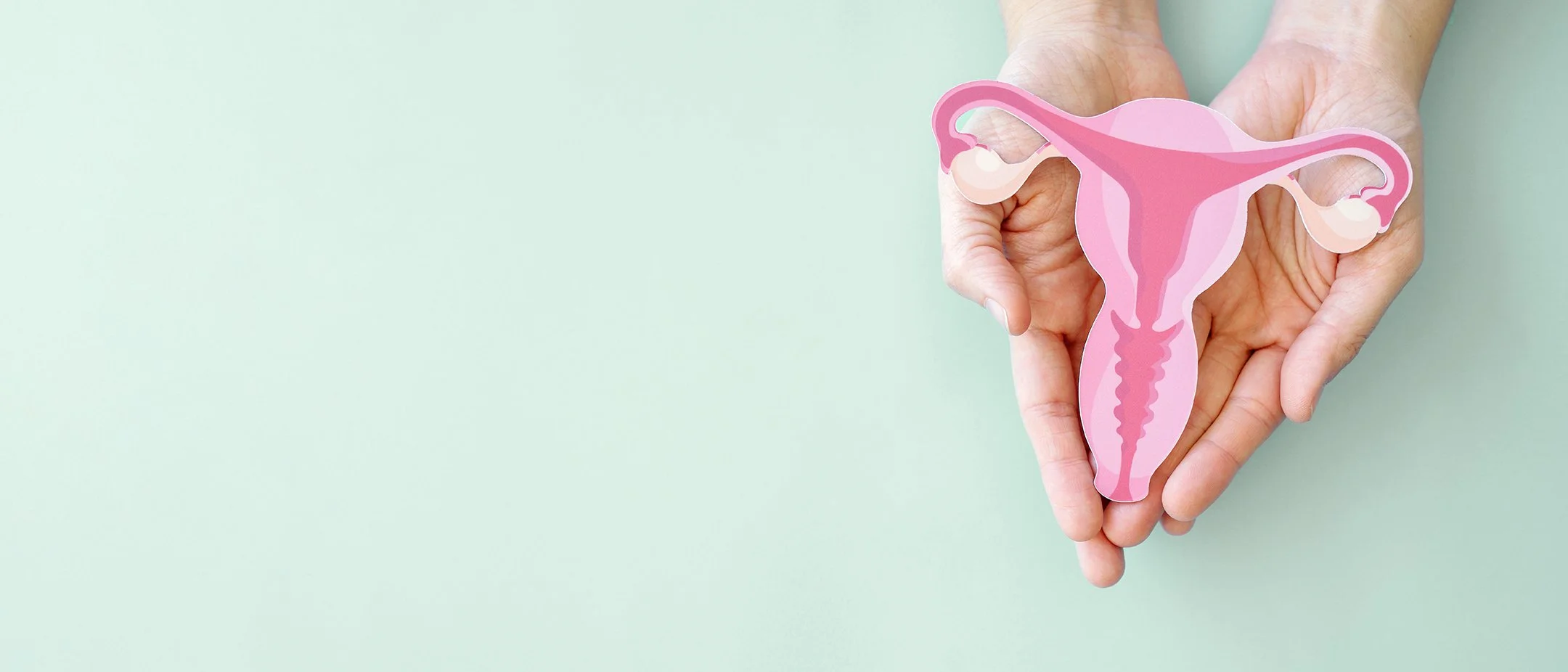
Individualised Surgical Care for Endometriosis
I understand that living with endometriosis is an exhausting, invisible battle. I am so disappointed to hear that women’s pain continues to be dismissed. I truly aim to provide a safe, supportive environment where your pain is validated and your goals are heard. My approach is entirely individualized; I don't just treat the "stage" of the disease, I treat the person.
Whether we are addressing early-stage lesions or complex, deep-infiltrating disease, I offer the highest standard of care. I listen to your concerns about pain, fertility, and quality of life, and I provide a clear, evidence-based surgical roadmap. You deserve a specialist who is committed to precision, expertise, and a deep dedication to your long-term health.