

Menopause & HRT
Reclaiming Vitality in the "Second Act"
Menopause is a natural biological transition, yet it is often shrouded in silence and misinformation. Defined as the point in time 12 months after a woman’s last menstrual period, it marks the end of the reproductive years. However, the years leading up to this—known as Perimenopause—can be a time of significant physical and emotional upheaval as oestrogen levels begin to fluctuate and decline.
As a gynaecologist, I view menopause not as an ending, but as a new phase of life that deserves expert management. You do not have to "suffer through" the symptoms. With modern, evidence-based Hormone Replacement Therapy (HRT) and lifestyle strategies, we can manage the transition effectively and protect your long-term health.
Recognising the Signs of the Transition
The symptoms of perimenopause and menopause are vast, as oestrogen receptors are located throughout the entire body—from the brain to the bones.
Vasomotor Symptoms: The classic "hot flushes" and night sweats that can disrupt sleep and lead to chronic fatigue.
Genitourinary Symptoms: Vaginal dryness, discomfort during sex, and an increased frequency of urinary tract infections (UTIs).
Mental Health: Sudden onset of anxiety, irritability, low mood, or "brain fog"—a feeling of cognitive fogginess that makes focusing at work difficult.
Physical Changes: Joint aches, skin thinning, and changes in weight distribution, particularly around the abdomen.
The Role of Hormone Replacement Therapy (HRT)
For many years, HRT was unfairly maligned due to misunderstood data. Today, we know that for the majority of healthy women under 60, the benefits of HRT far outweigh the risks. HRT works by replacing the oestrogen your body is no longer producing.
1. Types of HRT
Oestrogen: Usually delivered via a patch or gel (transdermal), which is safer as it doesn't pass through the liver.
Progesterone: If you still have your uterus, progesterone is essential to protect the uterine lining. This is often taken as a capsule (micronized progesterone) or delivered via a Mirena IUD.
Local Oestrogen: Creams or tablets used specifically for vaginal and urinary symptoms.
2. The Benefits
Beyond stopping hot flushes, HRT is a powerful tool for preventative health. It helps maintain bone density, reducing the risk of osteoporosis and fractures. It also has a "window of opportunity" effect on heart health, protecting the cardiovascular system when started early in the transition.
Addressing the Risks: A Balanced View
It is natural to have concerns about breast cancer and blood clots. However, the "absolute risk" is very small. For example, the risk of breast cancer associated with combined HRT is lower than the risk associated with drinking two units of alcohol a day or being overweight. During our consultation, we review your family history and personal health markers to ensure that any treatment prescribed is safe and appropriate for you.
Long-Term Wellness and Lifestyle
While HRT is a cornerstone of management, it works best alongside lifestyle adjustments.
Bone Health: Incorporating weight-bearing exercise and ensuring adequate Vitamin D and Calcium intake.
Heart Health: Monitoring blood pressure and cholesterol levels.
Nutrition: Focusing on a Mediterranean-style diet to support metabolic health during hormonal shifts.
Menopause & HRT FAQs
Q: How do I know if I’ve started perimenopause?
A: The most common early signs are changes in your menstrual cycle length and the onset of night sweats or increased anxiety. There is no single blood test to "diagnose" it; we look at your symptoms and age.
Q: Does HRT cause breast cancer?
A: The risk is very small and depends on the type of HRT and how long you take it. For many women, the risk is lower than that associated with lifestyle factors like alcohol consumption or being overweight.
Q: What are the non-hormonal options for menopause?
A: If HRT isn't for you, we can use specific non-hormonal medications (like SSRIs or Fezolinetant), herbal supplements with proven track records, and lifestyle changes to manage hot flushes and mood swings.
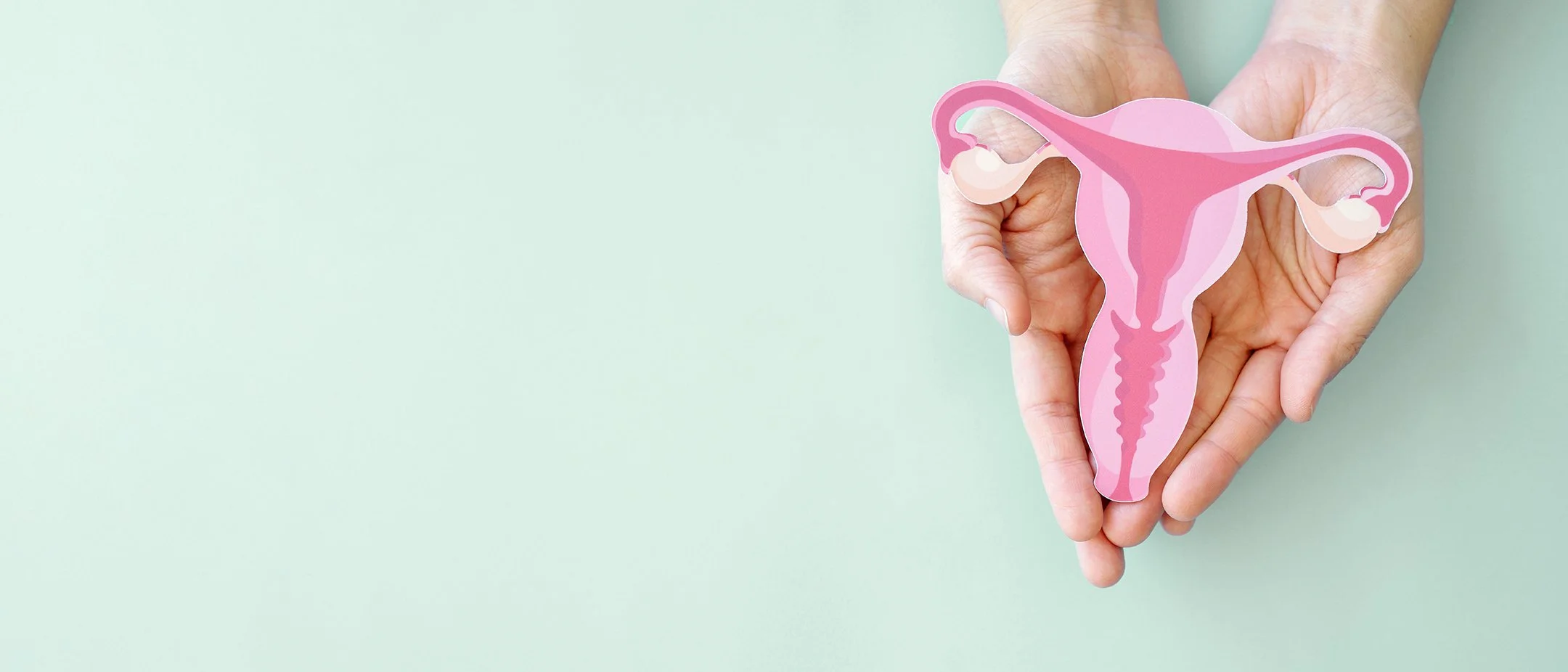
Expert Guidance for the Menopause Transition
Menopause is a deeply personal journey, and every woman's experience is unique. As a highly qualified gynaecologist, I provide a safe, supportive environment where we can discuss your symptoms without taboo. I listen to your concerns about sleep, mood, and intimacy, and offer a range of individualized care options—from the latest transdermal HRT to non-hormonal medical alternatives. I want to help you through this transition with confidence, ensuring you receive up to date care , so you can live your best life for the years ahead.