

Endometriosis
Navigating the Journey from Pain to Management
For many women, the journey to understanding their pelvic pain is long and frustrating. On average, it takes seven to ten years from the onset of symptoms to receive a formal diagnosis of Endometriosis. This delay often occurs because severe period pain is frequently dismissed as "normal." As a gynaecologist, my mission is to validate your experience and provide a clear, evidence-based pathway to diagnosis and relief.
Endometriosis is a chronic inflammatory condition where tissue similar to the lining of the uterus (the endometrium) grows in other parts of the body, most commonly on the ovaries, fallopian tubes, and the tissue lining the pelvis. Unlike the lining inside the uterus, which leaves the body during a period, this misplaced tissue has no way to escape. It bleeds internally, leading to inflammation, intense pain, and the formation of scar tissue or "adhesions."
Identifying the Symptoms: Beyond "Period Cramps"
The hallmark of endometriosis is pain, but the way that pain manifests can be highly individual. It is important to remember that the severity of the pain does not always correlate with the "stage" or amount of disease present.
Dysmenorrhea (Painful Periods): This is often the first sign. The pain typically starts a few days before the period and lasts throughout, often not responding to standard over-the-counter painkillers.
Deep Dyspareunia (Painful Intercourse): Pain felt deep in the pelvis during or after sexual activity.
Chronic Pelvic Pain: A dull or sharp ache that persists even when you aren't on your period.
Bowel and Bladder Symptoms: Painful bowel movements, bloating (often called "Endo-belly"), or pain when urinating, particularly during menstruation.
Infertility: For some, endometriosis is only discovered when they have difficulty conceiving.
The Importance of a Correct Diagnosis
Diagnosis begins with a specialized clinical history and a pelvic examination. However, because endometriosis lesions can be tiny, they are often invisible on a standard "general" ultrasound. To get a clearer picture, I may recommend:
Deep Endometriosis Mapping Ultrasound: Performed by a specialized sonographer to look for "tethering" of organs or deep nodules.
Laparoscopy: This remains the "gold standard." It is a minimally invasive surgical procedure where a camera is inserted through the navel to visualize the lesions directly. During this procedure, I can also take a biopsy to confirm the diagnosis.
Treatment: A Multi-Modal Approach
Managing endometriosis requires a "toolbox" of treatments tailored to your stage of life and your goals (such as pain relief or fertility).
Hormonal Management: The goal is to reduce or stop the hormonal fluctuations that cause the endometriosis tissue to bleed. Options include the combined oral contraceptive pill, progestogen-only pills, or the Mirena IUD. For more severe cases, we may use medications that temporarily induce a "medical menopause" to starve the lesions of oestrogen.
Surgical Intervention (Excision): As a surgical specialist, I advocate for Laparoscopic Excision rather than ablation. Endometrial Ablation involves "burning" the surface of the tissue, while excision involves "cutting out" the disease from the root. Excision is far more effective for long-term pain relief and reduces the likelihood of the disease returning.
Allied Health Support: Chronic pain affects the nervous system. I frequently work with pelvic floor physiotherapists to help "relax" the muscles that have become chronically tight due to pain, as well as dieticians who focus on anti-inflammatory nutrition.
Frequently Asked Questions about Endometriosis
Q: Can endometriosis be seen on a regular ultrasound?
A: Not always. While a specialized "deep endometriosis" ultrasound can pick up certain markers, many cases of endometriosis are invisible on standard imaging. Laparoscopy remains the gold standard for a definitive diagnosis.
Q: Does a hysterectomy cure endometriosis?
A: Not necessarily. While a hysterectomy can resolve symptoms like heavy periods (adenomyosis), if endometriosis lesions outside the uterus are not removed, the pain may persist. Treatment must be tailored to the location of the disease.
Q: Will endometriosis affect my ability to get pregnant?
A: It can, but many women with endometriosis conceive naturally. For those who struggle, surgical removal of lesions or assisted reproductive technologies (like IVF) are highly effective options.
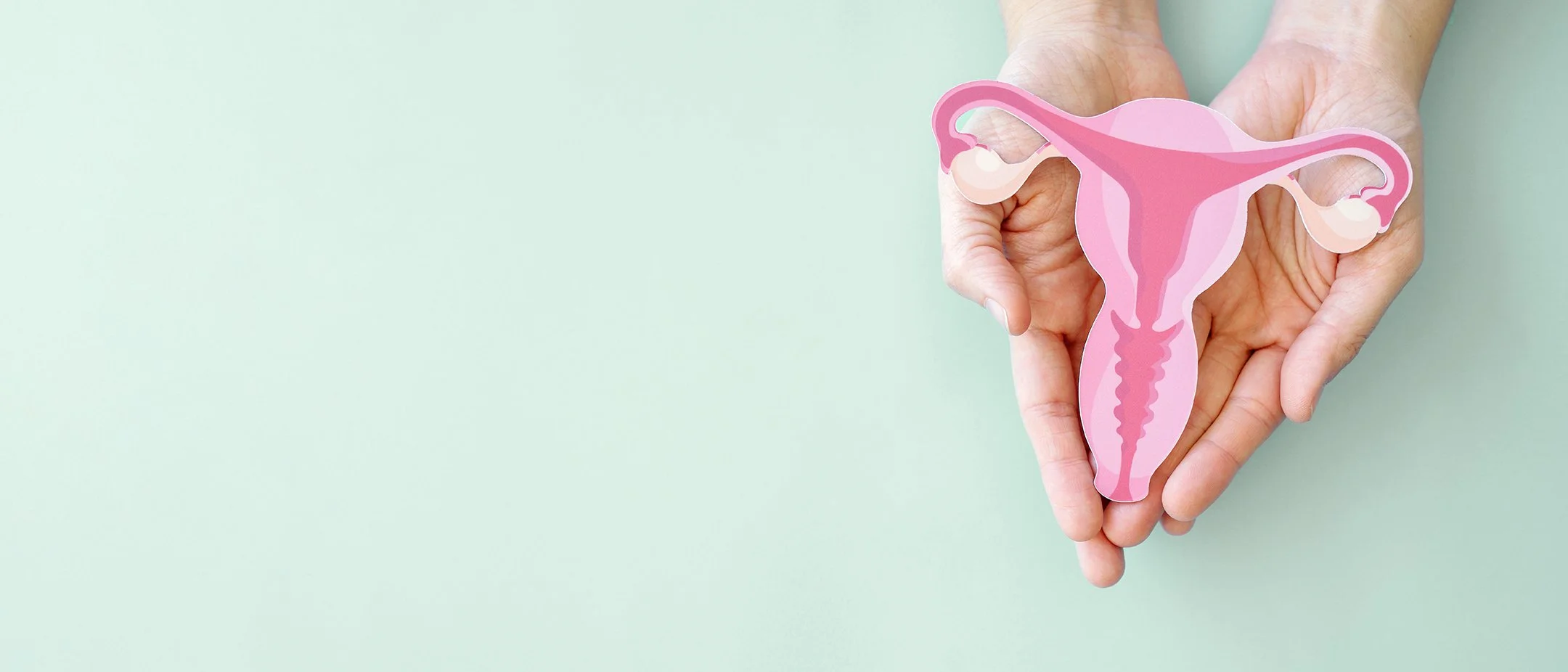
Individualised Care for Chronic Pain
Living with endometriosis can feel like a full-time job. It affects your career, your relationships, and your mental health. As a highly qualified gynaecological surgeon, I am here to listen to your story and provide a safe, supportive environment where your pain is taken seriously. My approach is entirely individualized; I offer a full spectrum of care, from medical suppression to advanced laparoscopic excision. Whether we are focusing on preserving your fertility or reclaiming your daily quality of life, I am committed to providing expert, evidence-based care that empowers you to take control of your health.