

Endometrial Ablation
A Minimally Invasive Alternative to Hysterectomy
For many women, heavy menstrual bleeding (menorrhagia) is a monthly crisis that dictates their schedule, energy levels, and clothing choices. When medical treatments like the oral contraceptive pill or the Mirena IUD have proven unsuccessful or are not desired, the conversation often turns toward surgery. While a hysterectomy is a definitive solution, it is not the only one. Endometrial Ablation is a highly effective, minimally invasive procedure designed to significantly reduce or even stop menstrual flow without the need for major surgery or the removal of the uterus.
As a gynaecological surgeon, I specialize in providing advanced ablation techniques. My goal is to offer you a "middle ground" solution—one that provides a rapid recovery and a high success rate, allowing you to reclaim your quality of life without the downtime associated with a hysterectomy.
What is Endometrial Ablation?
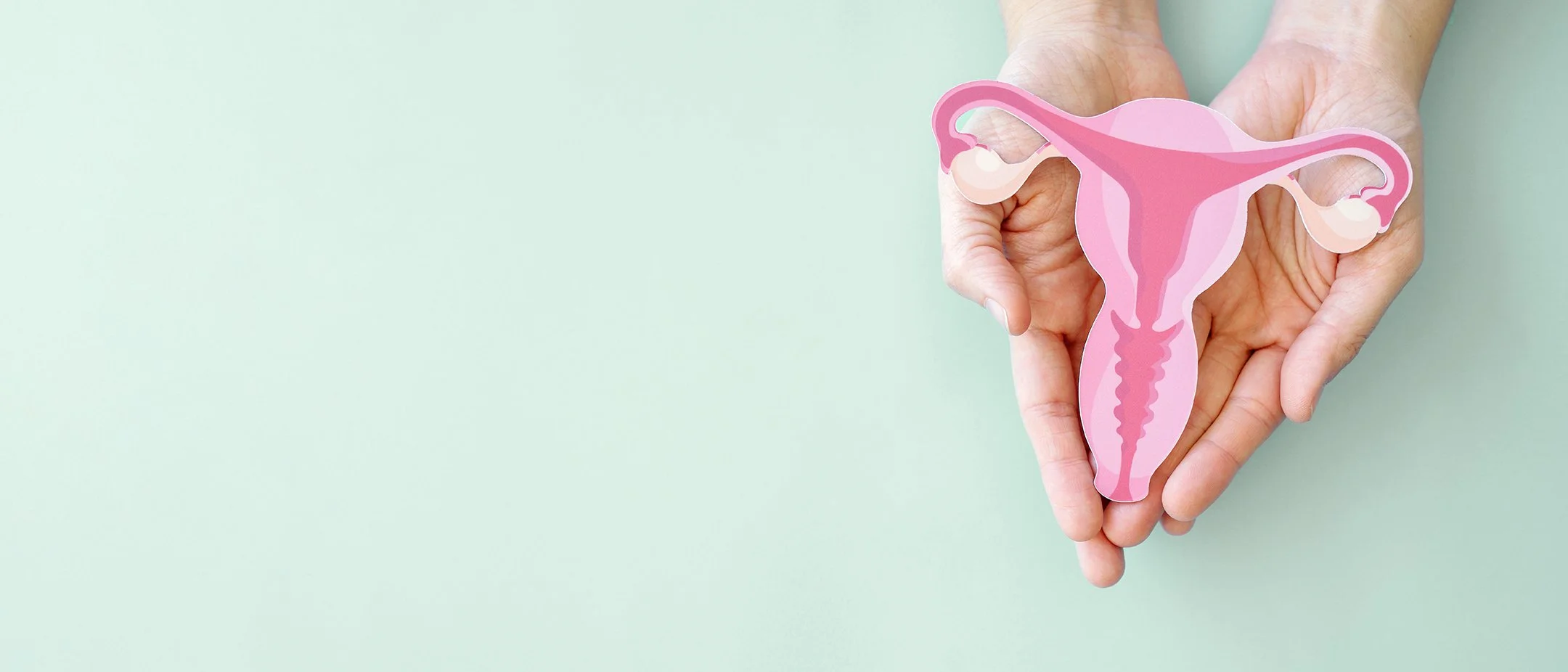
The "endometrium" is the lining of the uterus that sheds every month during your period. Endometrial ablation is a procedure that uses heat energy to precisely destroy (ablate) this lining. Once the lining is removed, it heals as a thin layer of scar tissue that does not thicken or shed during your cycle.
Because this procedure targets only the lining, the uterus itself remains intact, and your hormones remain completely unaffected. You will still have your natural cycles and reach menopause at your natural age; you simply will no longer experience the heavy bleeding that characterized your periods.
Who is the Ideal Candidate?
Endometrial ablation is a specialized tool, and its success depends on careful patient selection. It is generally recommended for women who:
Have completed their family: Pregnancy after an ablation is dangerous for both the mother and the fetus, as the scarred lining cannot support a growing pregnancy. Therefore, permanent contraception (like a Bilateral Salpingectomy) is often performed at the same time.
Experience heavy, non-cancerous bleeding: It is highly effective for bleeding caused by hormonal imbalances or small Uterine Polyps.
Wish to avoid major surgery: If you want a day-procedure with a 24-48 hour recovery time, ablation is an excellent choice.
It may not be suitable for women with very large Uterine Fibroids, certain uterine shapes, or suspected uterine cancer.
The Surgical Procedure: What to Expect
As a surgical specialist, I perform endometrial ablation as a day procedure under a general anaesthetic. The entire process typically takes less than 20 minutes and requires no external incisions.
Access: I gently dilate the cervix and insert a thin device into the uterine cavity.
Energy Delivery: Depending on your anatomy, I use one of several "global" ablation technologies. This energy is delivered for a precise number of seconds to treat the entire lining.
Completion: The device is removed, and because there are no incisions, there are no stitches required.
Recovery and Results
The recovery from an ablation is remarkably fast, which is why it is such a popular choice for busy women.
The First 24 Hours: Most women experience mild, period-like cramping as the uterus heals. This is easily managed with over-the-counter pain relief.
Post-Operative Discharge: You will likely have a watery or bloody discharge for a few weeks as the treated lining sheds. This is a normal part of the healing process.
Success Rates: Approximately 90% of women are satisfied with their results. About half will stop having periods entirely (amenorrhea), while the other half will have much lighter, more manageable periods.
Frequently Asked Questions about Endometrial Ablation
Q: Can I still get pregnant after an endometrial ablation?
A: Pregnancy is possible but highly dangerous after an ablation, as the lining cannot support a baby. Because of this, I always recommend a permanent form of contraception, such as a tubal ligation or a Bilateral Salpingectomy, to be performed at the same time as the ablation.
Q: Does ablation cause menopause?
A: No. Ablation only treats the lining of the uterus. Your ovaries, which produce your hormones, are not affected. You will still have your natural cycles and go through menopause at your natural age.
Q: How long do the results last?
A: For most women, the results are permanent. However, in some younger women (under 40), the lining may occasionally regrow over several years, requiring a repeat procedure or an alternative treatment.
Q: Do I still need contraception after an ablation?
A: Yes. While ablation makes pregnancy unlikely, any pregnancy that does occur is high-risk. Permanent contraception (like a partner's vasectomy or a salpingectomy) is highly recommended.
Q: Will ablation stop my periods immediately?
A: It may take a few months for the lining to heal and for you to see the final result. Some women have no period, while others have a very light, manageable flow.
Individualised Surgical Care
I understand that choosing the right procedure for heavy bleeding is a personal decision that involves weighing your lifestyle, your health goals, and your future. I listen to your experience with heavy periods and offer an individualized approach that prioritizes your comfort and safety.
Whether we are considering an ablation or a definitive Total Laparoscopic Hysterectomy, I am committed to providing the expert, evidence-based care you need to feel your best. You deserve a specialist who combines technical excellence with a deep understanding of your needs, ensuring you feel heard and safe throughout your treatment journey.